

Communicable diseases, commonly known as infectious diseases, remain one of the biggest challenges facing global health. Although medical science has made remarkable progress in developing treatments, vaccines, and improved sanitation systems, infectious diseases continue to affect millions of people around the world. From common respiratory infections to more serious illnesses, these conditions remind us how closely our health is connected to the people around us and the environments in which we live.
In a world where people travel, work, study, and interact across borders every day, infections can spread much faster than many people realize. Something as ordinary as touching a contaminated surface, sharing food, or spending time in a poorly ventilated room can sometimes expose us to harmful microorganisms.
Understanding what communicable diseases are, how they spread, which symptoms to look out for, and how to prevent infections is an important part of protecting our health. More importantly, these simple precautions help protect families, workplaces, and entire communities.
Understanding Communicable Diseases
What Are Communicable Diseases?
Communicable diseases are illnesses caused by microorganisms known as pathogens. These include bacteria, viruses, fungi, and parasites. They can spread from one person to another, from animals to humans, or through contaminated food, water, and the surrounding environment.
Not every infection spreads in the same way. Some require direct physical contact, while others can spread through respiratory particles, insect bites, or contaminated substances.
Common examples include influenza, tuberculosis, measles, malaria, cholera, and certain fungal infections.
Although some infections cause mild symptoms and resolve without serious complications, others can become life-threatening, particularly in young children, older adults, and people with weakened immune systems.
How Do Infectious Diseases Spread?
Understanding how infections travel from one host to another makes prevention much easier. Different pathogens use different transmission routes, which means the precautions needed to reduce exposure may also differ.
1. Direct Contact
Some infections spread through physical contact with an infected person. This may include touching, kissing, sexual contact, or contact with infected skin and bodily fluids. Certain infections, including herpes and some sexually transmitted infections, can spread through direct contact.
2. Droplet Transmission
When an infected person coughs, sneezes, or talks, respiratory particles can be released into the surrounding air. These particles may expose people nearby to infections such as influenza and other respiratory illnesses.
3. Airborne Transmission
Some infectious particles can remain suspended in the air and travel beyond the immediate space around an infected person. Tuberculosis and measles are examples of diseases that can spread through airborne transmission.
Good ventilation, appropriate respiratory protection, and avoiding crowded indoor spaces during outbreaks can help reduce exposure.
4. Vector-Borne Transmission
Certain diseases are spread through insects or other organisms known as vectors. Mosquitoes and ticks are among the most familiar examples. Malaria and Lyme disease demonstrate how these organisms can transmit pathogens to humans.
5. Food- and Waterborne Transmission
Consuming contaminated food or drinking unsafe water can introduce harmful microorganisms into the body. Diseases such as cholera and norovirus infections can spread through contaminated food, water, or surfaces, often when hygiene and sanitation are inadequate.
The Four Main Types of Disease-Causing Pathogens
Although infectious diseases may produce similar symptoms, the microorganisms responsible for them are not all alike.
Bacteria
Bacteria are microscopic, single-celled organisms found almost everywhere, including soil, water, and the human body. Many are harmless, and some are essential for normal bodily functions. However, certain bacteria can cause infections.
Examples include bacterial pneumonia, strep throat, and tuberculosis.
Some bacterial infections can be treated with antibiotics. However, antibiotics do not work against viruses, and their unnecessary use can contribute to antibiotic resistance.
Viruses
Viruses are tiny infectious agents that need living host cells to multiply. They can affect different parts of the body, including the respiratory system, liver, digestive system, and nervous system.
Examples include influenza, COVID-19, hepatitis, and the common cold.
Treatment depends on the specific virus. Some viral infections can be managed through rest and supportive care, while others require antiviral medication or specialized medical attention.
Fungi
Fungi include yeasts and moulds, some of which can cause infections in humans. Fungal infections often affect the skin, nails, mouth, and other parts of the body.
Common examples include athlete’s foot, ringworm, and candidiasis.
Warm, damp environments can encourage certain fungal infections, making good personal hygiene and keeping skin clean and dry helpful preventive measures.
Parasites
Parasites are organisms that live on or inside another organism, known as a host, while obtaining nourishment from it.
They include protozoa, worms, and external parasites. Malaria, caused by Plasmodium parasites transmitted through infected mosquitoes, is a well-known example.
Other parasitic infections can affect the digestive system, skin, and other organs.
Practical Ways to Prevent Communicable Diseases
Preventing infections does not always require complicated routines or expensive products. In many situations, consistent everyday habits can make a meaningful difference.
1. Make Hand Hygiene a Habit
Washing your hands with soap and clean running water for at least 20 seconds helps remove many harmful microorganisms.
Make a habit of washing your hands:
- Before preparing or eating food.
- After using the toilet.
- After coughing, sneezing, or blowing your nose.
- After handling rubbish.
- After touching animals or cleaning up after them.
When soap and water are unavailable, an alcohol-based hand sanitizer containing at least 60% alcohol can be useful, provided your hands are not visibly dirty.
2. Practise Good Respiratory Hygiene
Cover your mouth and nose with a tissue or your bent elbow when coughing or sneezing. Dispose of used tissues properly and clean your hands afterward.
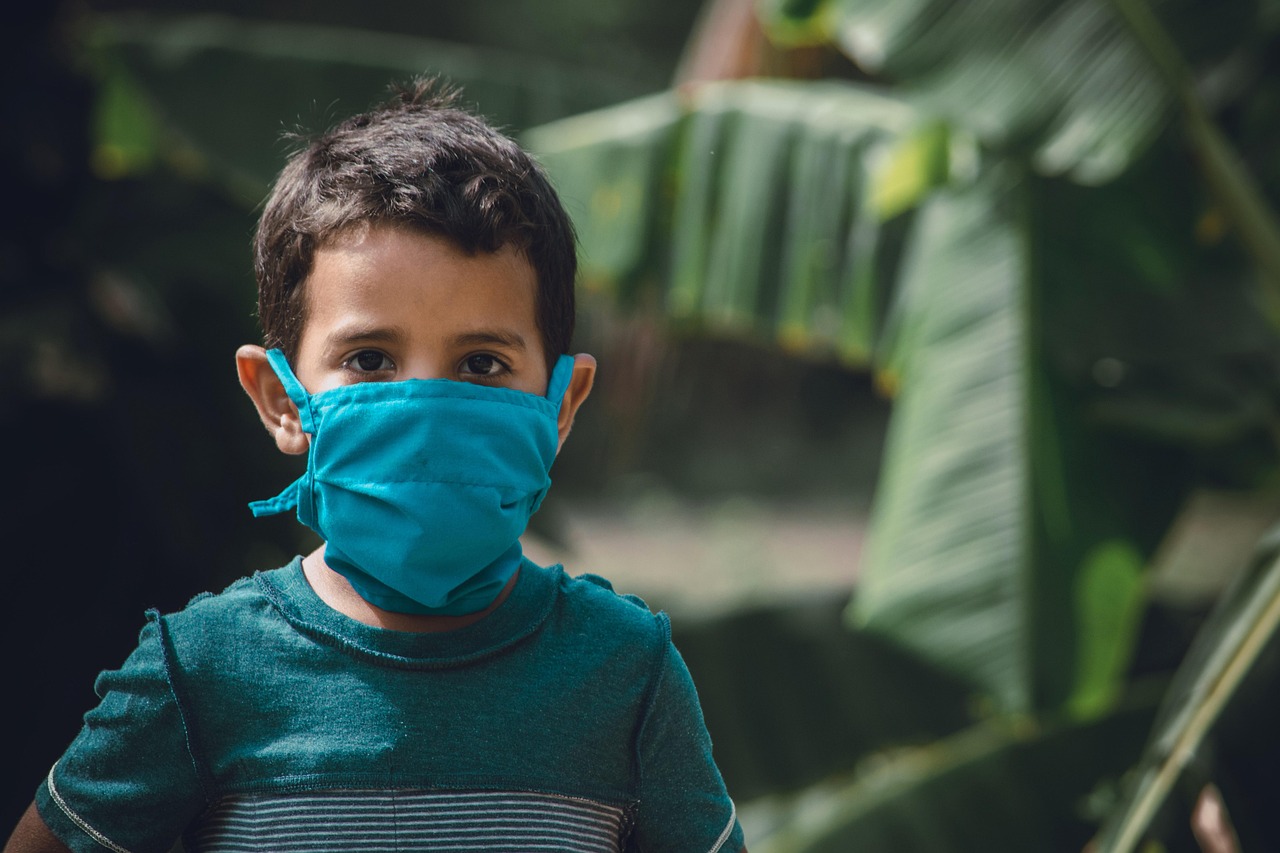
If you feel unwell with respiratory symptoms, consider staying home when possible, avoiding close contact with vulnerable people, and wearing a well-fitting mask when appropriate.
Keeping indoor spaces well ventilated can also help reduce the spread of respiratory infections.
3. Handle Food and Water Safely
Food safety plays an important role in preventing infections.
Wash fruits and vegetables thoroughly, cook meat properly, avoid cross-contamination between raw and cooked foods, and refrigerate perishable items promptly.
Where drinking water safety is uncertain, use an appropriate water treatment method, such as boiling or an approved purification system.
4. Stay Up to Date With Recommended Vaccinations
Vaccination is one of the most effective tools available for preventing infectious diseases and reducing the risk of serious complications.
Vaccines train the immune system to recognize and respond to specific pathogens. Immunization has helped reduce the impact of diseases such as measles, polio, tetanus, and influenza.
According to the World Health Organization, immunization prevents approximately 3.5 to 5 million deaths every year.
Following recommended vaccination schedules helps protect individuals while also reducing the spread of certain infections within communities.
5. Protect Yourself Against Insect Bites
In areas where mosquito- or tick-borne diseases occur, taking precautions is particularly important.
Use appropriate insect repellents, wear protective clothing, install window screens where possible, and remove standing water around your home to reduce mosquito breeding sites.
Recognizing the Early Signs of Infection
Infectious diseases do not always look the same. Some develop gradually, while others produce symptoms within a short period.
However, certain warning signs are common across many infections.
These include:
- Fever: A rise in body temperature that may occur as part of the body’s response to infection.
- Fatigue: Unusual tiredness, weakness, or a lack of energy.
- Muscle and body aches: Discomfort that commonly accompanies certain viral infections.
- Coughing and sore throat: Symptoms that may indicate a respiratory infection.
- Digestive problems: Nausea, vomiting, stomach cramps, and diarrhoea can occur with gastrointestinal infections.
- Skin changes: Rashes, swelling, redness, or unusual sores may sometimes indicate an infection.
It is important to remember that these symptoms are not exclusive to communicable diseases. Other health conditions can produce similar signs, so symptoms alone cannot confirm a diagnosis.
When Should You Seek Medical Attention?
Do not ignore symptoms that are severe, persistent, or getting worse.
Contact a healthcare professional if you experience a persistent fever, worsening illness, unexplained skin changes, or symptoms that do not improve as expected.
Seek urgent medical attention if you experience difficulty breathing, chest pain, confusion, severe dehydration, seizures, or loss of consciousness.
People who are pregnant, very young, older, or living with weakened immune systems may need medical advice earlier because certain infections can pose greater risks to them.
Early medical assessment can help identify the cause of an illness and ensure that appropriate treatment is provided.
The Global Impact of Communicable Diseases
Infectious diseases do not affect everyone equally. Access to healthcare, clean water, safe housing, nutritious food, and reliable sanitation can influence how easily infections spread and how seriously people are affected.
The Importance of Disease Surveillance
Public health authorities monitor infectious diseases to identify outbreaks, understand transmission patterns, and respond before infections spread more widely.
This process, known as disease surveillance, involves collecting and analysing health information from hospitals, laboratories, clinics, and other reporting systems.
When unusual increases in infections are detected, health authorities can investigate possible causes, provide public health guidance, coordinate vaccination programmes, and introduce appropriate control measures.
Environmental and Social Factors
Several wider factors influence the spread of infectious diseases.
- Poor sanitation: Inadequate sewage systems and unsafe drinking water increase the risk of waterborne infections.
- Overcrowding: Closely packed living and working environments can make some infections easier to transmit.
- Climate change: Changing temperatures and rainfall patterns can influence the distribution of mosquitoes and other disease-carrying organisms.
- Limited healthcare access: Delayed diagnosis and treatment can increase the risk of complications and continued transmission.
- International travel: Movement between countries can contribute to the rapid geographical spread of infectious diseases.
Addressing these challenges requires cooperation between individuals, communities, healthcare professionals, governments, and international health organizations.
Conclusion: Protecting Your Health Starts With Everyday Choices
Communicable diseases remain a serious public health concern, but understanding how they spread gives us the knowledge to make better decisions about our health.
Simple actions such as washing your hands, preparing food safely, practising good respiratory hygiene, avoiding insect bites, and keeping vaccinations up to date can significantly reduce the risk of many infections.
It is equally important to pay attention to your body, recognize unusual symptoms, and seek medical advice when something does not feel right.
We should also remember that preventing infectious diseases is not only about protecting ourselves. It is about looking out for children, older adults, family members, neighbours, and people who may be more vulnerable to serious illness.
A healthier community is built through awareness, responsibility, and consideration for others. We may not be able to prevent every infection, but the choices we make each day can help create safer environments and healthier lives.
Stay informed, practise prevention, and remember that protecting your health is also an act of caring for others.
Health Disclaimer
This article is intended for general educational and informational purposes only. It does not replace professional medical advice, diagnosis, or treatment. The information provided should not be used to diagnose an illness or determine an appropriate treatment plan. If you experience symptoms of an infection, have concerns about possible exposure, or need advice about vaccinations or preventive care, consult a qualified healthcare professional. Seek urgent medical attention for severe symptoms, including difficulty breathing, chest pain, confusion, or signs of severe dehydration. Always follow guidance from recognized healthcare authorities and qualified medical practitioners.