



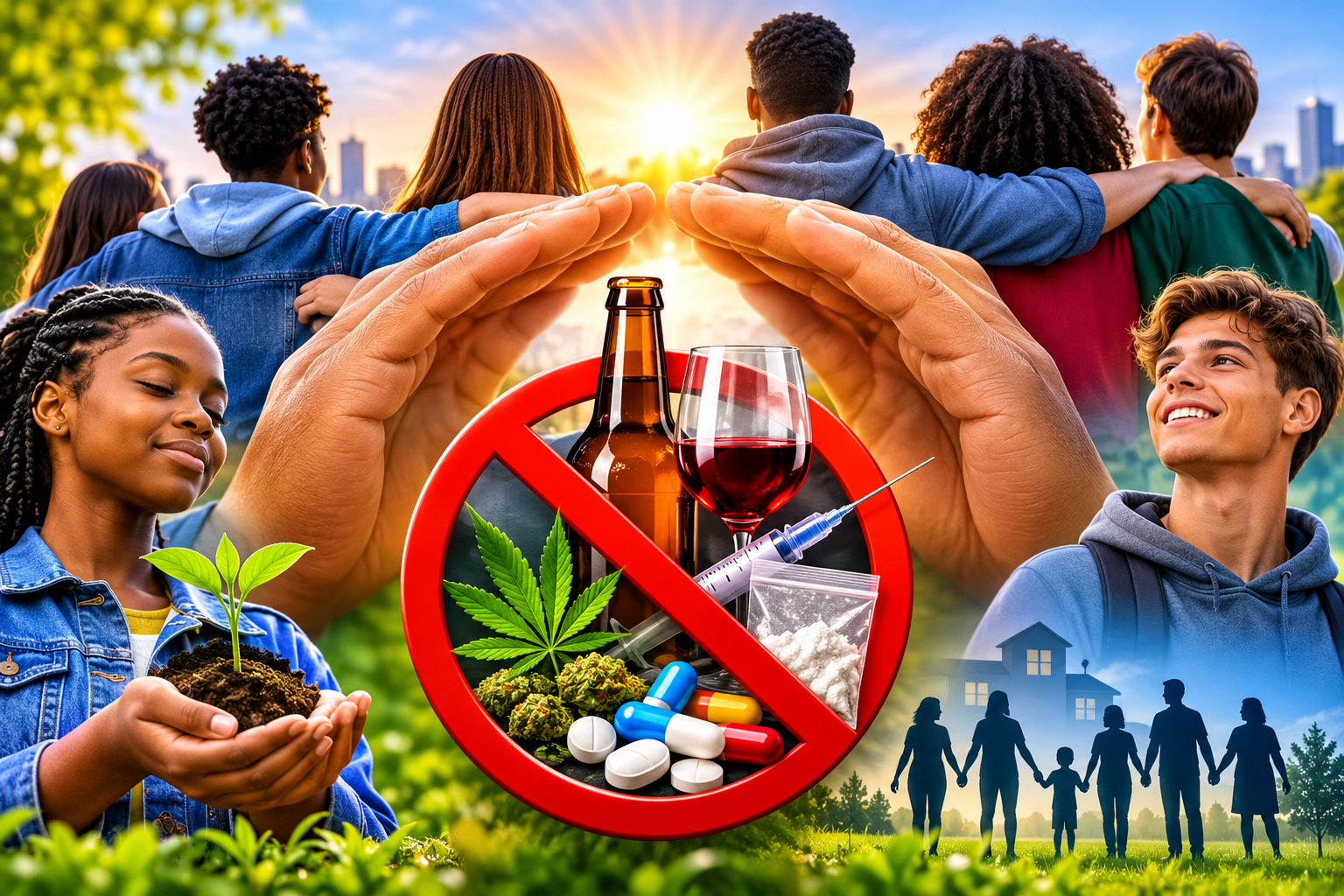
Health, Wellness and Social Awareness | Prevention, Education and Community Development
Substance abuse is one of the most serious public health and social challenges affecting individuals, families and communities around the world. It is an issue that reaches far beyond the person using alcohol or drugs. It can affect relationships, education, employment, physical health, emotional well-being, financial stability and the overall safety of society. Behind every statistic is a human story, a family experiencing uncertainty, a young person struggling to find direction or an individual trying to cope with circumstances that may feel too difficult to overcome.
Preventing substance abuse is therefore not simply about telling people to avoid drugs or alcohol. It is about understanding why substance use begins, recognising the factors that increase vulnerability, providing reliable information and creating environments where people feel supported enough to make healthier decisions.
The most effective prevention begins with awareness, compassion, education and collective responsibility.
Understanding Substance Abuse and Why Prevention Matters
Substance abuse involves the harmful or hazardous use of psychoactive substances, including alcohol, illegal drugs and the misuse of prescription medications. Repeated substance use can develop into a substance use disorder, a recognised health condition that may affect a person’s ability to control consumption despite experiencing harmful consequences.
It is important to understand that substance use does not always begin with an intention to become dependent. Sometimes it starts with curiosity, experimentation, social pressure, emotional distress or the desire to temporarily escape difficult circumstances.
For some individuals, substances become a way of managing anxiety, loneliness, trauma, depression or overwhelming personal responsibilities. Others may begin using them because of peer influence, family environments or easy access.
Understanding these circumstances allows prevention programmes to move beyond judgement and focus on addressing the underlying causes.
Why Do People Turn to Substances?
There is no single explanation for substance abuse. Different individuals experience different circumstances, vulnerabilities and pressures.
Some common contributing factors include:
- Peer pressure: Young people and adults may feel encouraged to experiment with substances to gain acceptance or avoid social rejection.
- Mental and emotional distress: Some individuals use substances to temporarily escape painful emotions, stress or unresolved trauma.
- Family and environmental influences: Growing up around substance misuse can increase exposure and vulnerability.
- Unemployment and financial difficulties: Economic insecurity, hopelessness and limited opportunities can contribute to harmful coping behaviours.
- Curiosity and experimentation: A lack of awareness about potential consequences may encourage risky decisions.
- Social isolation: Loneliness and the absence of meaningful support systems can increase vulnerability.
These factors do not mean that substance abuse is inevitable. They demonstrate why prevention must address the wider circumstances influencing people’s decisions.
The Impact on Physical and Mental Health
Substance misuse can have serious consequences for the human body and mind. Different substances affect the brain, nervous system, cardiovascular system and other vital organs in different ways.
Long-term or harmful use may contribute to liver disease, respiratory complications, cardiovascular problems, neurological damage and an increased risk of certain cancers. Substance use can also impair judgement, coordination and decision-making, increasing the possibility of accidents, injuries and unsafe behaviour.
The psychological consequences can be equally significant. Substance misuse may worsen existing mental health difficulties, contribute to anxiety and depression, disrupt sleep and interfere with emotional regulation.
One particularly concerning aspect is the relationship between substance use and mental health. People experiencing psychological distress may turn to substances for temporary relief, while continued use can make their emotional difficulties worse. This creates a cycle that can become increasingly difficult to break without appropriate support.
Prevention must therefore recognise mental health as an essential part of substance abuse education.
Young People: Protecting the Next Generation
Young people deserve particular attention in substance abuse prevention because adolescence is an important period of brain development, identity formation and emotional growth.
During these years, curiosity, social acceptance and experimentation can influence behaviour. Young people may encounter alcohol, tobacco, vaping products or other substances through friends, social environments and online content.
However, simply warning young people about the dangers of drugs is not always enough. Effective prevention should help them develop practical life skills.
Schools, parents and communities can support young people by encouraging:
- Healthy friendships and positive social relationships.
- Confidence to refuse substances without feeling embarrassed.
- Critical thinking and informed decision-making.
- Emotional intelligence and stress management.
- Participation in sports, creative activities and community programmes.
- Open conversations about mental health and substance-related risks.
Parents should also create environments where children feel comfortable discussing difficult subjects without immediately fearing punishment or humiliation.
A young person who feels heard is more likely to seek guidance when facing pressure or uncertainty.
Practical Ways to Prevent Substance Abuse
Substance abuse prevention is most effective when individuals, families, schools, healthcare professionals and governments work together.
1. Promote accurate education and awareness
People need accessible, reliable information about the effects of alcohol, drugs, prescription medication misuse and other harmful substances. Education should explain both immediate and long-term consequences without relying on fear or exaggeration.
2. Strengthen mental health support
Accessible counselling, psychological services and emotional support can help people manage difficult experiences without turning to harmful coping mechanisms.
3. Encourage healthy lifestyles
Physical activity, nutritious food, sufficient sleep, meaningful hobbies and positive relationships can support emotional resilience and overall well-being. These habits do not guarantee protection against substance misuse, but they contribute to healthier coping strategies.
4. Build supportive family environments
Families should encourage communication, establish appropriate boundaries and pay attention to significant changes in behaviour. Supportive relationships can make a meaningful difference in prevention and early intervention.
5. Improve access to treatment and recovery services
Prevention must include early identification and access to professional assistance. People experiencing substance-related difficulties should be able to obtain confidential, affordable and appropriate healthcare without unnecessary stigma.
6. Address social and economic challenges
Communities need opportunities that give people a sense of purpose and belonging. Education, employment opportunities, youth development programmes and accessible recreational facilities can strengthen protective environments.
Recognising the Warning Signs
Substance-related difficulties do not always appear obvious at first. Changes in behaviour may develop gradually and can sometimes be mistaken for ordinary stress or personal challenges.
Possible warning signs include:
- Sudden changes in mood or personality.
- Withdrawal from family and friends.
- Declining performance at school or work.
- Unexplained financial difficulties.
- Neglect of personal responsibilities.
- Secretive behaviour and increased isolation.
- Changes in sleep patterns or physical appearance.
These signs do not automatically indicate substance abuse. Other health or personal circumstances may produce similar changes.
The appropriate response is to approach the individual with concern rather than accusation and encourage professional assessment when necessary.
Breaking the Stigma: Recovery Begins With Support
One of the biggest barriers to addressing substance abuse is stigma.
People experiencing addiction are sometimes labelled irresponsible, weak or morally deficient. Such attitudes can discourage individuals from seeking treatment, particularly when they fear rejection, embarrassment or discrimination.
Substance use disorders are treatable health conditions. Recovery may involve medical care, psychological support, rehabilitation, peer-support programmes and long-term lifestyle changes.
It is also important to recognise that recovery is not always a straight path. Some individuals experience setbacks, but these should not automatically be interpreted as proof that recovery is impossible.
Compassion does not mean ignoring harmful behaviour or removing personal accountability. It means recognising that people need appropriate support, professional guidance and opportunities to rebuild their lives.
A community that responds with understanding rather than humiliation creates better conditions for people to seek help.
The Responsibility of Society
Substance abuse prevention cannot be left entirely to individuals. Governments must strengthen public health policies, regulate harmful substances, support prevention campaigns and invest in accessible treatment services.
Schools must provide age-appropriate education. Healthcare institutions must identify risks and offer early intervention. Employers can promote workplace wellness and provide appropriate support. Community organisations can create safe spaces where young people and vulnerable individuals find encouragement, skills and opportunities.
Media platforms also have an important responsibility. Substance-related content should encourage informed decisions rather than glamorise dangerous behaviour.
Most importantly, communities must recognise that prevention is an ongoing investment, not a once-off awareness campaign.
Conclusion: Prevention Is an Investment in Human Potential
Substance abuse prevention is ultimately about protecting human potential. It is about helping young people build healthy futures, supporting families, strengthening communities and ensuring that individuals have access to the knowledge and resources needed to make informed decisions.
Nobody should have to face substance-related difficulties alone, and nobody should feel that their future has been permanently defined by a period of struggle.
The conversation must move beyond blame and towards education, early intervention, responsible choices and accessible support.
Every informed decision matters. Every supportive conversation matters. Every opportunity to intervene early can make a difference.
A healthier society begins when we stop treating substance abuse as somebody else’s problem and recognise that prevention is a shared responsibility.
Because protecting lives is not only about responding when problems arise. It is about creating the knowledge, support and opportunities that help prevent those problems in the first place.
Key Takeaways
- Substance abuse prevention begins with education and awareness.
- Mental health support is an essential part of prevention.
- Young people need guidance, positive role models and practical life skills.
- Early intervention can reduce the risk of serious consequences.
- Addiction should be approached as a health issue, not simply a moral failure.
- Recovery is possible with appropriate professional support.
- Families, schools, governments and communities all have a role to play.
If you or someone you know is struggling with substance use, consider speaking with a qualified healthcare professional or addiction counsellor. Seeking help is a sign of strength, not failure.
Suggested Hashtags
#SubstanceAbusePrevention #DrugAwareness #MentalHealthMatters #HealthyCommunities #AddictionRecovery #YouthEmpowerment #PublicHealth #PreventionIsBetter #HealthEducation #TogetherWeCan


