



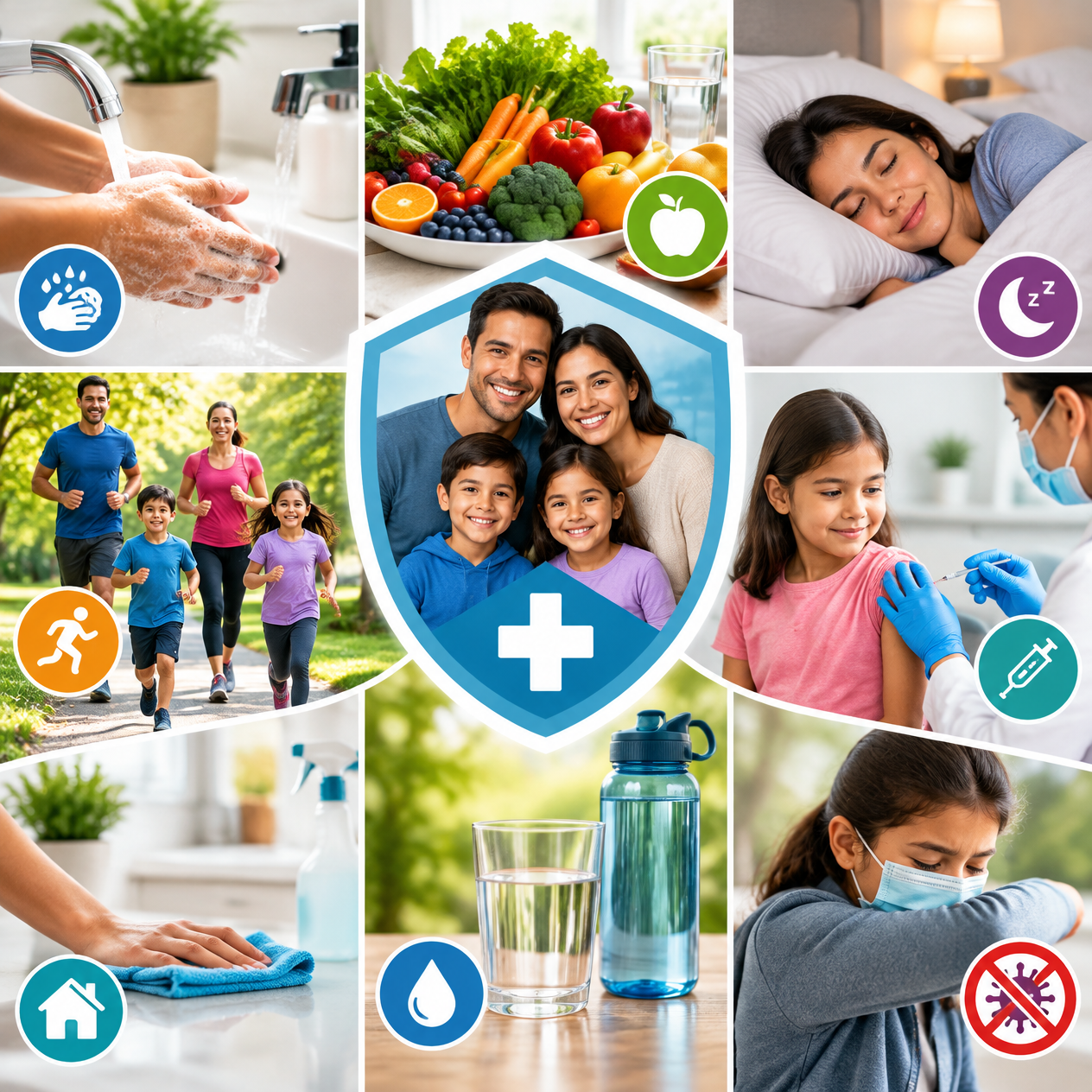
Let’s be honest, nobody enjoys getting sick. One day you’re feeling energetic and ready to take on the world, and the next you’re dealing with a headache, a sore throat, a runny nose, or an upset stomach.
And the frustrating part? Sometimes a common illness can affect your work, interrupt your plans, keep you away from loved ones, and leave you feeling exhausted.
But here’s something worth remembering: while we cannot prevent every illness, there are simple things we can do every day to reduce our risk of getting sick and protect the people around us.
The good news is that staying healthy doesn’t have to be complicated or expensive. It starts with small habits that, when practised consistently, can make a real difference.
So, let’s talk about some practical ways to protect your health and make everyday wellness a priority.
1. Make Handwashing a Habit, Not an Afterthought
Think about how many things your hands touch throughout the day. Your phone, door handles, shopping baskets, money, office equipment, and public transport surfaces.
Now imagine touching your face or preparing food without washing your hands.
This is one of the easiest ways germs can spread.
Proper handwashing is one of the simplest and most effective ways to reduce the spread of infections.
Make sure you wash your hands:
- Before eating or preparing food.
- After using the toilet.
- After coughing, sneezing, or blowing your nose.
- After handling rubbish.
- When you return home from public places.
Use soap and clean running water, and wash for at least 20 seconds.
If soap and water aren’t available, an alcohol-based hand sanitiser containing at least 60% alcohol can help.
It’s such a small action, but it can protect you and your family from unnecessary infections.
2. Eat Well to Support Your Immune System
Have you ever noticed how much better you feel when you’re eating balanced, nutritious meals?
Your body needs different nutrients to function properly, including those that support your immune system.
Try to include a variety of foods in your daily meals, such as:
- Fresh fruits and vegetables.
- Eggs, fish, chicken, and beans.
- Whole grains.
- Nuts and seeds.
- Milk, yoghurt, or suitable alternatives.
You don’t need expensive health foods or complicated diets to eat well. Everyday foods such as spinach, cabbage, beans, sweet potatoes, eggs, and seasonal fruit can provide valuable nutrients.
Also, remember that no single food or drink can prevent you from getting sick. What matters is maintaining a balanced and varied diet over time.
3. Drink Enough Water Throughout the Day
Sometimes we get so caught up in work and daily responsibilities that we forget to drink enough water.
Staying hydrated helps your body regulate temperature, transport nutrients, support digestion, and perform other essential functions.
Make it a habit to drink water throughout the day rather than waiting until you’re extremely thirsty.
You can also increase your fluid intake through foods such as watermelon, oranges, cucumbers, and soups.
Especially during hot weather, remember that your body may need additional fluids.
A simple reminder: keep a water bottle nearby and make hydration part of your daily routine.
4. Never Underestimate the Power of Good Sleep
Let’s talk about something many people overlook: sleep.
Between work, family responsibilities, social media, and late-night scrolling, getting enough sleep can sometimes feel impossible.
However, sleep is essential for your body’s recovery and normal immune function.
Most adults need at least seven hours of sleep each night.
Here are a few ways to improve your sleeping habits:
- Try going to bed at the same time each night.
- Reduce screen time before bedtime.
- Avoid excessive caffeine late in the day.
- Make your bedroom comfortable and peaceful.
- Develop a relaxing evening routine.
Remember, constantly sacrificing sleep to get more things done isn’t necessarily productive. Your body needs time to rest and recharge.
5. Keep Your Home and Surroundings Clean
A healthy lifestyle isn’t only about what you eat or how much you exercise. Your environment matters too.
Think about the surfaces you touch every day, especially in shared spaces such as kitchens, bathrooms, offices, and classrooms.
Make an effort to clean frequently touched surfaces, keep your kitchen hygienic, dispose of rubbish properly, and store food safely.
Another important habit is allowing fresh air into your home.
Open windows and doors when practical to improve ventilation. Good airflow can help reduce the concentration of airborne infectious particles indoors.
Small cleaning and hygiene habits can go a long way towards creating a healthier environment.
6. Stay Up to Date With Your Vaccinations
Vaccinations are an important part of preventive healthcare.
They help prepare your immune system to recognise and fight specific infections, reducing your risk of certain diseases and serious complications.
Depending on your age, health, and medical history, recommended vaccinations may include:
- Influenza vaccination.
- COVID-19 vaccination.
- Tetanus vaccination.
- Measles vaccination.
- Hepatitis B vaccination.
- Routine childhood immunisations.
If you’re unsure which vaccines you or your children need, speak to a healthcare professional or visit your local clinic.
Prevention is always worth considering before an illness becomes a serious problem.
7. Keep Your Body Moving
You don’t have to spend hours at the gym to take care of your physical health.
Sometimes, a simple walk around your neighbourhood, dancing to your favourite music, cycling, or doing a short home workout is enough to get you moving.
Regular physical activity supports your heart, muscles, bones, and overall wellbeing. It also contributes to healthy immune function.
Try activities such as:
- Walking for 20–30 minutes.
- Cycling.
- Swimming.
- Dancing.
- Gardening.
- Stretching and home workouts.
For adults, a good general goal is at least 150 minutes of moderate physical activity per week.
Start with what feels manageable and gradually build your routine.
The important thing is to stay consistent and choose activities you genuinely enjoy.
8. Be Careful With Food Preparation and Storage
Have you ever considered how easily food can become contaminated when it’s not handled properly?
Foodborne illnesses can occur when food contains harmful bacteria, viruses, or parasites.
Fortunately, good food hygiene can help reduce these risks.
Always remember to:
- Wash your hands before preparing meals.
- Wash fruits and vegetables with clean running water.
- Keep raw meat separate from cooked food.
- Cook food thoroughly.
- Store perishable foods in the refrigerator.
- Use clean cooking utensils and surfaces.
- Avoid eating food that has been stored unsafely.
These habits are particularly important when preparing meals for young children, pregnant women, older adults, and people with weakened immune systems.
9. Avoid Smoking and Make Healthier Lifestyle Choices
Your everyday lifestyle choices can have a lasting effect on your health.
Smoking increases the risk of serious conditions, including heart disease, lung disease, and certain cancers. Second-hand smoke can also harm the people around you.
Reducing or avoiding alcohol consumption is another positive step towards better health.
If you smoke and have been thinking about quitting, don’t be afraid to ask for help. Healthcare professionals can guide you towards suitable support and treatment options.
Remember, improving your health isn’t about being perfect. It’s about making better choices whenever you can.
10. Listen to Your Body and Don’t Ignore Warning Signs
Sometimes, even when we do everything right, we still get sick. And that’s completely normal.
The important thing is knowing when your body needs attention.
Don’t ignore symptoms that persist, become worse, or interfere with your everyday activities.
Be mindful of:
- Persistent fever.
- Difficulty breathing.
- Severe headaches.
- Ongoing vomiting or diarrhoea.
- Unexplained weight loss.
- Unusual tiredness or weakness.
- Signs of dehydration.
Seek medical advice when you’re concerned, and get urgent medical attention for serious symptoms such as chest pain, difficulty breathing, confusion, or loss of consciousness.
Also, avoid taking antibiotics without a prescription. Antibiotics treat certain bacterial infections, not viral illnesses such as the common cold.
Taking action early can help prevent complications and ensure you receive appropriate care.
Final Thoughts: Your Health Deserves Daily Attention
Here’s the thing: staying healthy doesn’t mean you’ll never experience an illness. It means giving your body the best possible support through the choices you make every day.
You don’t need to change your entire lifestyle overnight.
Start by drinking more water, washing your hands regularly, eating balanced meals, getting enough sleep, and making time for physical activity.
Encourage your children to practise good hygiene. Remind your family about vaccinations. Keep your home clean and don’t hesitate to seek medical advice when something doesn’t feel right.
Most importantly, stop treating your health as something you only think about when you’re sick.
Your health matters every single day. Take care of your body today, because the little things you do consistently can make a big difference tomorrow.
Let’s Talk!
What is one healthy habit you and your family practise every day to prevent common illnesses?
Is it eating nutritious food, drinking enough water, exercising, washing your hands, or getting sufficient sleep?
Share your thoughts in the comments. You never know who might be inspired by one simple health tip!
#PreventiveHealthcare #HealthyLiving #DiseasePrevention #HealthAwareness #HealthyHabits #PersonalHygiene #FamilyHealth #WellnessTips #PublicHealth #TakeCareOfYourHealth


