

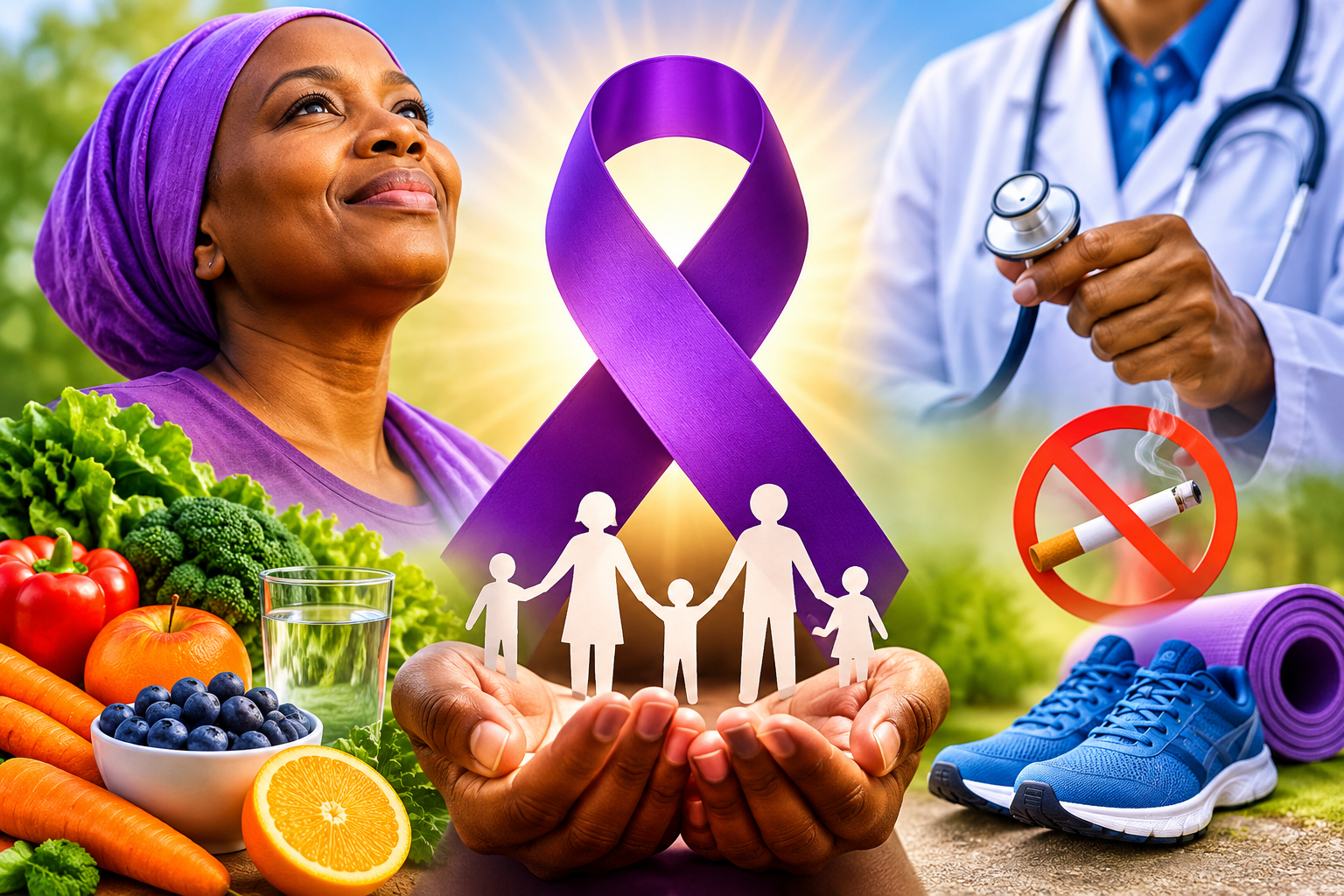
Sometimes, the most important step towards saving a life is simply knowing what to look out for.
Cancer is a health issue that affects millions of people worldwide. Behind every diagnosis is a person, a family, a story, and a journey that often comes with emotional, physical, and financial challenges.
But here is something we should never forget: awareness creates knowledge, knowledge encourages action, and taking action early can make a significant difference.
Cancer awareness should not only be a conversation during awareness months or special campaigns. It should be something we talk about openly, learn about continuously, and practise in our everyday lives.
So, let’s talk about what we can do to protect our health and encourage those around us to do the same.
Understanding Cancer: What Should We Know?
Cancer develops when abnormal cells begin growing and multiplying uncontrollably. These cells can invade surrounding tissues and, in some cases, spread to other parts of the body.
There are many forms of cancer, including breast, cervical, prostate, lung, colorectal, skin, and blood cancers.
Although not all cancers can be prevented, certain lifestyle changes, vaccinations, regular health checks, and appropriate screening can help reduce risks and improve the chances of identifying cancer early.
The important message is this: Do not wait for your body to send you a serious warning before you start taking your health seriously.
Practical Ways to Reduce Your Cancer Risk
Our daily habits influence our health more than we sometimes realize. While healthy living cannot guarantee that someone will never develop cancer, it can help lower the risk of certain cancers.
Here are some important steps worth incorporating into your lifestyle.
1. Be intentional about what you eat.
A healthy diet is one of the foundations of good health. Make an effort to include vegetables, fruits, whole grains, legumes, and other fibre-rich foods in your meals.
Reduce your intake of highly processed foods and processed meats, and avoid making excessive consumption of red meat a regular habit.
Remember, eating healthy is not about being perfect. It is about making better choices consistently.
2. Make physical activity part of your routine.
You do not have to be an athlete to enjoy the benefits of exercise.
Walking, dancing, cycling, swimming, gardening, or simply staying active throughout the day can contribute to better health.
Aim for at least 150 minutes of moderate physical activity every week, where possible. Find something you enjoy and make it a regular habit.
3. Stay away from tobacco and reduce alcohol consumption.
Smoking is strongly linked to several cancers, including lung, throat, and mouth cancers. Exposure to second-hand smoke also carries health risks.
Alcohol consumption is associated with an increased risk of several cancers.
Choosing not to smoke and avoiding or limiting alcohol are meaningful steps towards protecting your long-term health.
4. Take sun protection seriously.
Enjoying the outdoors is wonderful, but protecting your skin is equally important.
Excessive exposure to ultraviolet radiation increases the risk of skin cancer.
Use broad-spectrum sunscreen with SPF 30 or higher, wear protective clothing, use sunglasses, and seek shade when the sun is strongest.
Do not assume that cloudy weather means your skin is protected.
5. Learn about cancer-preventing vaccines.
Did you know that certain infections can increase the risk of developing cancer?
The human papillomavirus (HPV) is associated with cervical cancer and several other cancers. Hepatitis B infection can also increase the risk of liver cancer.
Vaccines against HPV and hepatitis B can help prevent infections associated with these cancers.
Speak to a qualified healthcare professional about recommended vaccinations for you and your family.
6. Pay attention to changes in your body.
Never ignore unusual changes simply because they are not painful.
Some possible warning signs that deserve medical attention include:
- Unexplained weight loss.
- Lumps or unusual swelling.
- Persistent fatigue.
- Unusual bleeding or discharge.
- Changes in bowel or bladder habits.
- A persistent cough or hoarse voice.
- Sores that do not heal.
- Changes in the appearance of moles or skin.
- Persistent difficulty swallowing.
These symptoms do not necessarily indicate cancer, but they should not be ignored, especially when they persist.
Your body deserves attention. If something does not feel right, seek medical advice.
7. Make regular screening a priority.
One of the most valuable things you can do for your health is to understand which cancer screening services are appropriate for you.
Depending on your age, personal health history, and risk factors, screening may include:
- Breast cancer screening.
- Cervical cancer screening.
- Colorectal cancer screening.
- Prostate cancer risk assessment and screening discussions.
Screening is not something to be embarrassed about. It is an important part of looking after yourself.
Remember, screening recommendations differ from one individual to another. Ask your healthcare provider what is appropriate for you.
Let’s Break the Silence Around Cancer
Cancer is already difficult enough. We should not make the journey harder through stigma, misinformation, blame, or discrimination.
Some people avoid medical examinations because they are afraid of discovering something serious. Others delay treatment because of financial difficulties, limited access to healthcare, or misconceptions about cancer.
We need to encourage open conversations and create communities where people feel comfortable asking questions, seeking help, and sharing their experiences.
If someone around you is living with cancer, offer support rather than judgment. Sometimes, a listening ear, a kind message, assistance with an appointment, or simply being present can mean more than you realize.
And to anyone currently undergoing treatment or living beyond a cancer diagnosis: you deserve compassion, respect, proper healthcare, and support.
A cancer diagnosis does not define your worth.
A Healthier Future Begins With the Choices We Make Today
Cancer awareness is more than wearing a ribbon, attending an event, or sharing a social media post.
It is about turning information into action.
It is about encouraging our parents to attend health checks, reminding our partners about screening, teaching young people about prevention, and making healthier lifestyle choices within our families.
We cannot control every risk, and we cannot prevent every cancer. However, we can become more informed, take preventive measures, recognize possible warning signs, and seek medical attention without unnecessary delays.
Let’s make health conversations a normal part of our everyday lives.
Your health should never be an afterthought. Make time for it. Pay attention to it. Protect it.
Share this message with someone you care about. You never know whose life might be positively influenced by a conversation about cancer awareness.
Awareness is the beginning. Prevention is a commitment. Early detection can make a difference.
#CancerAwareness #CancerPrevention #EarlyDetection #HealthEducation #HealthyLifestyle #KnowYourBody #CancerSupport #CommunityHealth
EDUCATIONAL DISCLAIMER:
This post is intended for general health education and awareness purposes only. It is not a substitute for professional medical advice, diagnosis, or treatment. Cancer risks, symptoms, prevention strategies, and screening recommendations vary from person to person. Always consult a qualified healthcare professional for medical guidance, appropriate screening recommendations, and any concerns about unusual or persistent symptoms. Never ignore professional medical advice or delay seeking healthcare because of information shared in this post.