



Vigor Nest | Where Conscious Nutrition Meets a Regenerative Future
Food is more than a source of nourishment. It is the foundation of human well-being, the lifeblood of communities, and one of the most powerful connections between people and the natural world.
Yet, as the global food system faces mounting pressures from climate change, soil degradation, biodiversity loss, and growing food insecurity, we are being called to reconsider a fundamental question: Can the way we nourish ourselves also help restore the world around us?
Regenerative dietary systems offer a compelling path forward.
By bringing together mindful food choices, responsible agricultural practices, ecological restoration, and community well-being, this approach invites us to see nutrition through a broader lens. It challenges us to move beyond simply consuming food and toward cultivating a food culture that sustains life, strengthens resilience, and leaves a healthier legacy for generations to come.
At Vigor Nest, we believe that true well-being begins with understanding the relationship between what nourishes us, where our food comes from, and the natural systems that make it possible.
Rethinking Nutrition Through a Regenerative Lens
Traditional conversations about nutrition often focus on individual health: the nutrients we consume, the meals we prepare, and the habits we develop. While these remain essential, regenerative dietary systems expand the conversation to include the environmental and social foundations of nourishment.
A truly resilient food system must do more than produce sufficient food. It must protect the soil, conserve water, support biodiversity, sustain farming communities, and make nutritious food accessible to the people who need it.
Regenerative agriculture contributes to this vision through practices such as cover cropping, composting, crop rotation, agroforestry, and reduced soil disturbance where appropriate. These approaches can improve soil health, support beneficial organisms, and strengthen the natural processes on which agriculture depends.
Dietary choices complement these efforts. Embracing a diverse range of vegetables, fruits, legumes, whole grains, nuts, and seeds, while incorporating other appropriate sources of essential nutrients, can support human health and encourage demand for a wider variety of crops.
The connection is profound: the future of nutrition depends not only on what we eat, but also on how our food systems care for the resources that sustain us.
Resilience Begins Beneath the Surface
Every harvest begins with a relationship between the land, the climate, and the people who cultivate it.
When soils become depleted, water resources are strained, and agricultural systems depend too heavily on a narrow range of crops, food production becomes increasingly vulnerable to environmental and economic shocks.
Regenerative practices seek to rebuild this foundation.
Healthy soils can improve water retention and nutrient cycling. Diverse cropping systems can help reduce certain pest and disease pressures. Trees and other vegetation can support biodiversity and, in suitable settings, protect land from erosion. Stronger local food networks can also create additional pathways for producers to reach consumers.
These benefits do not eliminate the risks associated with extreme weather, rising costs, or supply chain disruptions. However, they can contribute to food systems that are better equipped to adapt, recover, and continue nourishing communities through changing conditions.
Resilience is not simply the ability to withstand hardship. It is the capacity to evolve, recover, and grow stronger through thoughtful preparation and sustained care.
Nourishing People While Restoring the Planet
Human health and environmental health are deeply interconnected, and regenerative dietary systems recognize the importance of nurturing both.
A balanced and varied diet can provide the nutrients needed to support energy, normal body function, and long-term well-being. Access to fresh, culturally appropriate, and nutritious food also plays an important role in building healthier communities.
At the same time, food production influences the quality of our environment. The way land is managed affects soil structure, water quality, biodiversity, and greenhouse gas emissions.
Regenerative approaches seek to bring these priorities into closer alignment.
It is important to recognize that regenerative production does not automatically make every food more nutritious or every farming practice environmentally beneficial in every context. Outcomes depend on the methods used, local conditions, and how the entire food system operates.
The opportunity lies in taking a more integrated approach: producing food responsibly, eating with greater awareness, reducing unnecessary waste, and ensuring that healthy choices are increasingly accessible.
When nutrition and ecological responsibility become complementary priorities, food can serve as a bridge between personal well-being and collective progress.
Five Meaningful Ways to Put Regenerative Living Into Practice
Regenerative change does not have to begin with a large investment or a complete lifestyle transformation. It can grow from small, consistent decisions that reflect care for our health, our communities, and the planet.
1. Embrace food diversity.
Explore a wider variety of vegetables, fruits, legumes, whole grains, and locally available traditional foods. Dietary diversity can broaden nutrient intake while encouraging appreciation for different crops and food cultures.
2. Choose seasonal and responsibly sourced produce.
Where practical and affordable, explore seasonal foods and support producers who use responsible farming methods. Learning how food is grown helps build a more informed relationship with the choices we make.
3. Reduce food waste with intention.
Plan meals, store ingredients correctly, use suitable leftovers, and compost appropriate food scraps. Reducing waste conserves the resources invested in producing, transporting, and preparing food.
4. Reconnect with the process of growing food.
Grow herbs in containers, plant vegetables in a home garden, or participate in a community growing initiative. Even a small garden can deepen our appreciation for soil, water, seasonal cycles, and the effort behind every harvest.
5. Invest in community food resilience.
Support community gardens, local food cooperatives, seed-sharing initiatives, and educational programmes where possible. These initiatives can strengthen local relationships, preserve valuable agricultural knowledge, and help communities build practical food skills.
The goal is not to pursue perfection. It is to make thoughtful choices that become sustainable habits over time.
The Power of Collective Responsibility
Although individual choices matter, a resilient food future cannot be created by consumers alone.
Farmers need access to training, resources, fair markets, and appropriate support. Communities need reliable access to affordable, nutritious food. Businesses must consider the environmental and social consequences of their sourcing and distribution practices. Policymakers and researchers have an important role in enabling responsible innovation and strengthening food security.
In South Africa and across the African continent, indigenous crops, traditional food knowledge, smallholder farming, and locally adapted agricultural practices offer valuable opportunities to build more diverse and context-sensitive food systems.
Recognizing these strengths is essential. Sustainable progress should not mean abandoning traditional knowledge in favour of modern solutions alone. It should mean bringing together community experience, scientific evidence, and practical innovation to create systems that work for local people and environments.
When communities are empowered to participate in shaping their food future, resilience becomes more than an agricultural objective. It becomes a shared commitment to dignity, opportunity, health, and environmental stewardship.
A Future Worth Cultivating
Imagine a future in which healthy soils support thriving farms, diverse crops enrich our diets, communities have greater access to nourishing food, and agricultural practices contribute to the restoration of the natural world.
This future will not emerge from a single innovation or one perfect dietary choice. It will be built through cooperation, informed decisions, responsible production, and a willingness to rethink the habits we have taken for granted.
Regenerative dietary systems remind us that nourishment is part of a much larger story. Every meal connects us to the land, the people who grow our food, the resources we depend on, and the generations who will inherit the consequences of today’s decisions.
At Vigor Nest, we see this connection as an opportunity to cultivate a more thoughtful and resilient approach to well-being—one that recognizes personal health, environmental responsibility, and community strength as essential parts of the same vision.
Because the true measure of a healthy food system is not only how much it produces today, but also how well it preserves its ability to nourish life tomorrow.
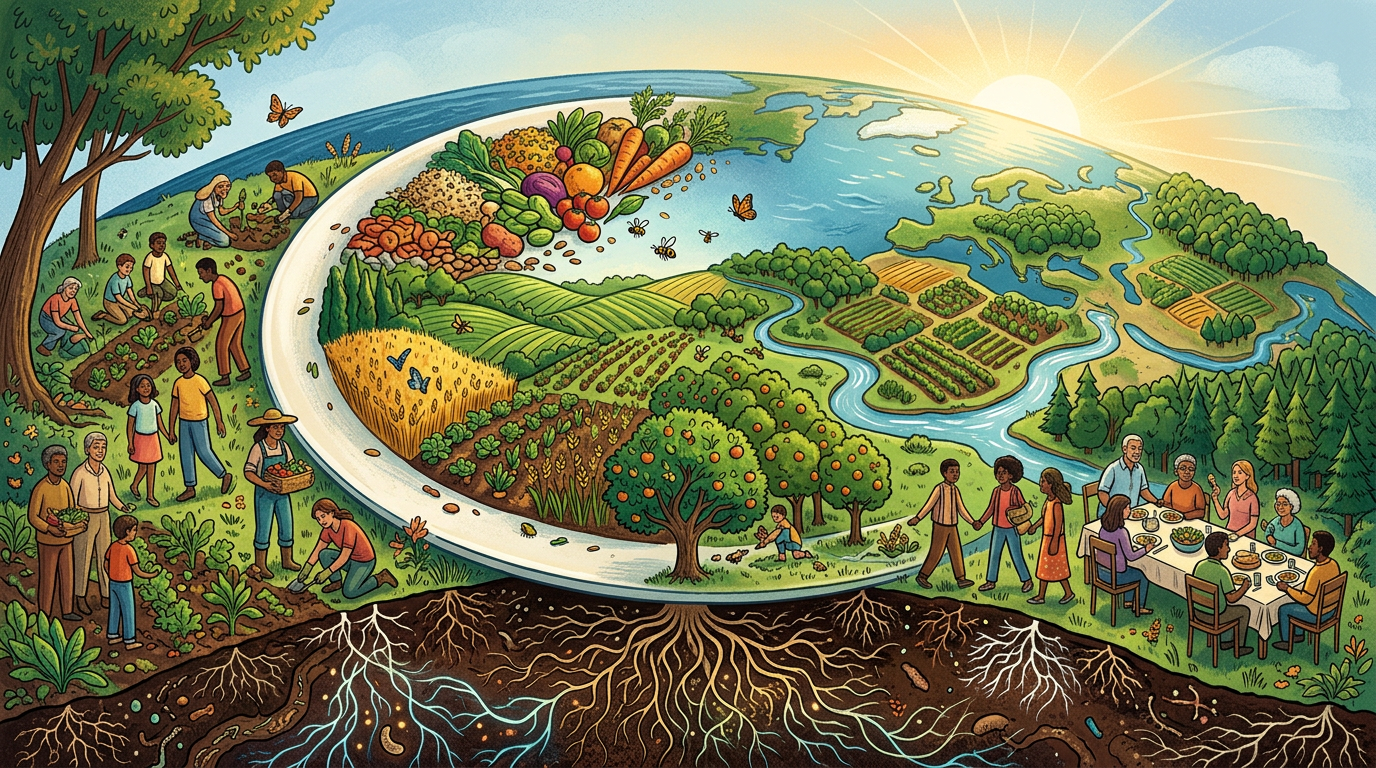
Let us move beyond the plate and become active participants in a future where food nourishes people, agriculture respects nature, and regeneration becomes a shared way of life.
Vigor Nest — Nourishing People. Restoring Nature. Cultivating Resilience.
What is one meaningful change you can make today to support a healthier food system and a more resilient future?
#VigorNest #RegenerativeDietarySystems #RegenerativeAgriculture #SustainableNutrition #FoodResilience #PlanetaryHealth #FoodSecurity #ConsciousLiving #SustainableFoodSystems


