

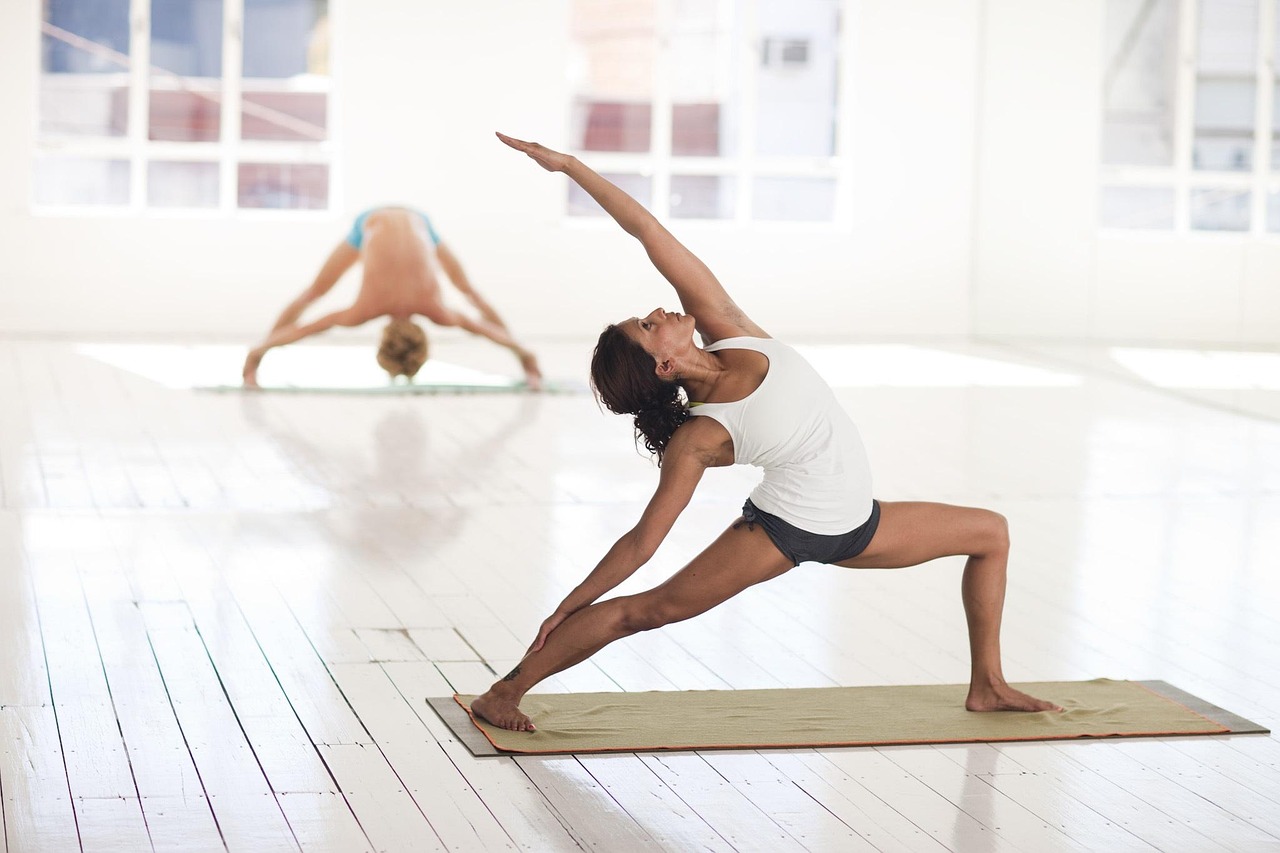
Your body was designed to move. But the real power of movement lies not in how hard you push yourself today, but in how consistently you care for your body over time.
Have you ever started a new exercise routine feeling motivated, only to find that a few weeks later, life gets busy, your energy dips, or the routine begins to feel like a burden?
You are not alone.
Many people approach physical activity with the belief that progress requires intense workouts, strict schedules, or pushing through discomfort. Yet sustainable movement is not about doing the most in the shortest time. It is about understanding how your body responds to activity and building habits that work with your physiology, not against it.
At Vigor Nest, we believe that movement should be more than a temporary fitness goal. It should become a natural, enjoyable, and sustainable part of everyday life.
Understanding the Body’s Response to Movement
Movement triggers a remarkable series of physiological responses. Your heart works harder to circulate oxygen, your muscles use energy to produce force, and your nervous system coordinates balance, posture, and control.
Over time, regular physical activity encourages the body to adapt.
These adaptations help explain why consistent movement can improve physical capacity, support emotional well-being, and make everyday activities feel easier.
Understanding these foundations can help us move away from the all-or-nothing mindset and towards a healthier relationship with physical activity.
1. Cardiovascular Health: Building a Stronger Foundation
Your heart and blood vessels play a central role in delivering oxygen and nutrients to working tissues.
When you engage in activities such as brisk walking, cycling, swimming, or dancing, your heart rate increases to meet the body’s demands. With regular aerobic activity, the cardiovascular system can become more efficient, helping improve endurance and making everyday tasks less physically demanding.
You do not need to begin with long runs or exhausting workouts.
The sustainable strategy: Start with movement that matches your current fitness level. A short walk, a few minutes of cycling, or taking the stairs when appropriate can be a meaningful starting point. Increase duration and intensity gradually as your fitness improves.
2. Muscles and Bones: Adapting Through Consistency
Your muscles respond to physical demands by adapting to the activities you perform. Strength training helps maintain and develop muscular strength, while weight-bearing and resistance activities can support bone health.
These benefits become particularly important as we age, when maintaining strength, balance, and mobility can help preserve independence and quality of life.
However, adaptation requires more than effort alone. The body also needs sufficient recovery, appropriate nutrition, and a manageable progression of activity.
The sustainable strategy: Include strength-building exercises suited to your abilities, such as resistance-band movements, bodyweight exercises, or lifting appropriate weights. Begin at a comfortable level and allow time for recovery between demanding sessions.
Remember, progress is not measured only by how much weight you lift. It can also mean standing up more easily, carrying groceries with greater confidence, or feeling steadier on your feet.
3. Energy Metabolism: Helping Your Body Work More Efficiently
Every movement requires energy. Your body uses several interconnected energy systems to support activities ranging from a gentle walk to an intense workout.
Regular physical activity can improve the body’s ability to use oxygen and manage blood glucose. It also supports metabolic health and can contribute to better energy regulation over time.
One important principle is that movement does not need to happen exclusively in a gym to provide value.
Prolonged periods of sitting can be interrupted with brief bouts of activity throughout the day, helping make movement a more regular part of daily life.
The sustainable strategy: Break up long periods of sitting. Stand, stretch, walk around your home or workplace, or take a short movement break between tasks. These small opportunities can accumulate throughout the day.
4. The Brain and Body Connection: Movement Beyond Physical Fitness
Movement influences more than muscles and cardiovascular fitness. Physical activity can also support mood, cognitive health, sleep quality, and stress management.
For some people, a walk outdoors offers a welcome mental reset. For others, dancing to a favourite song, practising gentle yoga, or participating in a recreational sport creates a sense of enjoyment and connection.
These experiences matter because a movement routine is more likely to become sustainable when it provides benefits you can feel beyond the exercise session itself.
The sustainable strategy: Choose activities that you genuinely enjoy. If traditional workouts feel intimidating, explore walking with a friend, gardening, dancing, swimming, or another activity that encourages you to move naturally.
The best routine is not necessarily the most demanding one. It is one you can realistically maintain.
5. Recovery and Adaptation: Why Rest Is Part of Progress
A common misconception is that more exercise always produces better results.
In reality, physical activity creates demands that the body must recover from. Rest, sleep, hydration, and appropriate nutrition help support the recovery and adaptation processes that follow exercise.
Ignoring persistent fatigue or repeatedly pushing through pain can make movement harder to sustain and may increase the risk of injury.
Recovery is not laziness. It is an essential part of a balanced approach to physical activity.
The sustainable strategy: Alternate demanding sessions with lighter activities or rest when needed. Pay attention to how your body responds, increase activity gradually, and seek professional advice for persistent pain or unusual symptoms.
Turning Movement Into a Lifelong Habit
Understanding physiology is valuable, but knowledge alone does not guarantee consistency. Sustainable movement also depends on how well your habits fit into your everyday life.
Here are four practical ways to make movement easier to maintain:
- Start where you are. Build on your current abilities rather than comparing your progress with someone else’s.
- Make it manageable. A short, realistic session is often more useful than an ambitious routine you struggle to maintain.
- Create a regular cue. Connect movement to an existing habit, such as taking a walk after lunch or stretching after work.
- Measure progress beyond appearance. Notice improvements in energy, strength, mood, mobility, sleep, and confidence.
For most adults, public health guidelines recommend working towards 150–300 minutes of moderate-intensity aerobic activity per week, or an equivalent amount of vigorous activity, alongside muscle-strengthening activities on at least two days per week. However, these are longer-term targets, not prerequisites for getting started. Some movement is better than none, and activity can be built up gradually according to individual needs and abilities.
If you have a chronic health condition, significant mobility limitations, or concerns about beginning an exercise programme, a qualified healthcare professional can help you identify an appropriate starting point.
The Vigor Nest Perspective: Progress Over Perfection
Sustainable movement is not about punishing your body for what it cannot do. It is about supporting what it can become through patience, consistency, and care.
Some days, you may have the energy for a challenging workout. On other days, a gentle walk or a few minutes of stretching may be enough to keep your routine alive.
Both can have a place in a balanced approach to well-being.
When we understand how our bodies respond to activity, we can begin to replace unrealistic expectations with practical habits that support long-term health.
Because movement is not simply something we do to change our bodies. It is something we do to care for them — to preserve our strength, protect our mobility, support our mental well-being, and remain engaged in the lives we want to live.
At Vigor Nest, we believe that lasting wellness is built through small, intentional choices repeated over time. And movement is one of the most valuable choices we can make.
Your Movement Challenge
Think about your daily routine and identify one opportunity to move a little more.
It could be a ten-minute walk, taking a break from sitting, dancing to your favourite song, or scheduling time for an activity you enjoy.
Start small. Stay consistent. Allow yourself to progress.
Tell us in the comments: What type of movement helps you feel your best, physically or mentally?
Let’s inspire one another to build healthier habits, one movement at a time.
Vigor Nest | Move with purpose. Build with consistency. Thrive for life.
#VigorNest #SustainableMovement #MovementForHealth #PhysicalWellness #HealthyHabits #ActiveLiving #ExerciseScience #HolisticWellbeing