



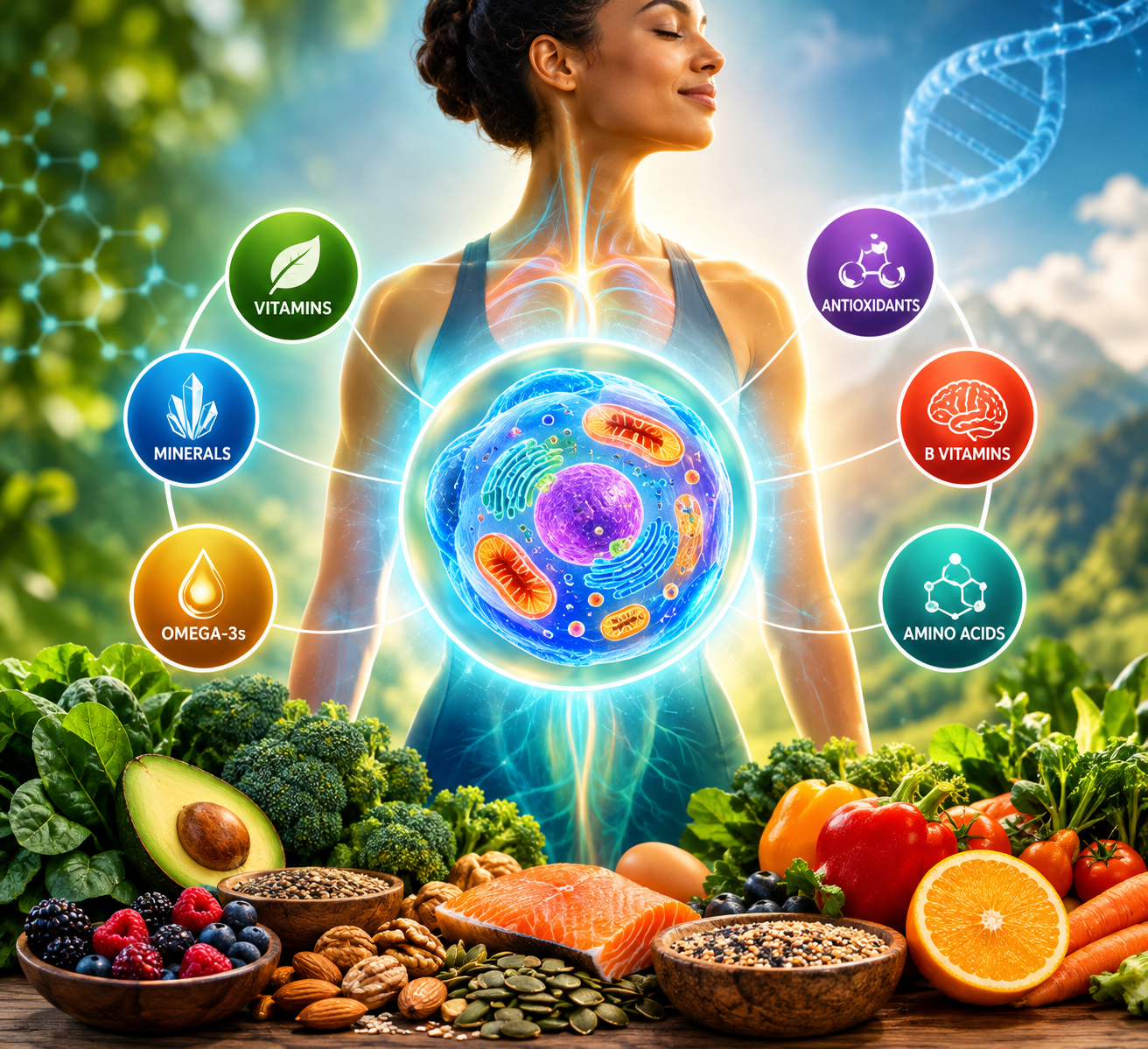
Have you ever wondered what happens inside your body after you enjoy a nourishing meal? While you go about your day, your body is quietly working behind the scenes, producing energy, repairing tissues, supporting your immune system, and keeping countless essential processes running.
You might notice when you feel tired, when your energy is low, or when you struggle to concentrate. But what we do not always think about is how much these everyday experiences depend on the nutrients our bodies receive.
This is where micronutrients come in.
Vitamins and minerals may be needed in relatively small amounts, but their role in keeping the body functioning properly is enormous. They help support everything from energy metabolism and normal nerve function to bone health, blood formation, and the body’s natural defence systems.
At Vigor-Nest, we believe that good health begins with understanding what your body needs and making thoughtful choices to support it. And one of the most important places to start is with the food on your plate.
Let’s explore the fascinating world of micronutrients and discover how these tiny nutritional essentials help your body perform at its best.
What Exactly Are Micronutrients?
Think of your body as a busy city.
Your cells are like the people and buildings that keep the city running. Energy production is the electricity supply, your immune system helps defend against threats, and your organs work together to keep everything functioning.
Micronutrients are part of the essential resources that allow many of these processes to happen.
Unlike macronutrients — carbohydrates, protein, and fat — which the body needs in larger amounts, micronutrients are required in smaller quantities. However, that does not make them any less important.
The two main categories are vitamins and minerals.
- Vitamins are organic compounds that support a wide range of processes, including energy metabolism, vision, immune function, and tissue maintenance.
- Minerals are inorganic nutrients that contribute to functions such as oxygen transport, bone formation, fluid balance, and muscle and nerve activity.
Your body cannot produce sufficient amounts of many essential micronutrients on its own, so you need to obtain them through food and, when appropriate, supplements.
The good news? You do not need to follow a complicated diet to begin nourishing your body more thoughtfully. Everyday foods such as leafy greens, beans, whole grains, eggs, nuts, seeds, fruit, and dairy or fortified alternatives can all contribute valuable nutrients.
Sometimes, the simplest approach is also the most sustainable: eat a variety of foods and give your body the nutritional support it needs. 🌱
1. B Vitamins: Helping Your Body Turn Food into Energy
Have you ever eaten a meal and wondered how that food eventually becomes the energy you use to walk, work, think, and exercise?
This is where the B vitamins play an important role.
The B-vitamin family includes several nutrients, such as thiamine, riboflavin, niacin, vitamin B6, folate, and vitamin B12. Each has its own functions, but many work together to support normal energy metabolism and cellular processes.
For example, these vitamins help your body use nutrients from food and support the functioning of your nervous system.
Vitamin B12 and folate are also essential for normal red blood cell formation, while vitamin B6 contributes to protein metabolism and neurotransmitter production.
When you do not get enough of certain B vitamins, you may experience health problems. Vitamin B12 deficiency, for instance, can cause tiredness, anaemia, and neurological symptoms.
However, taking extra B vitamins will not necessarily give you more energy if you already get enough. Their benefits come from meeting your body’s needs, not from consuming as much as possible.
Where can you find them?
Consider including whole grains, legumes, eggs, nuts, seeds, leafy vegetables, and other varied foods in your meals. Vitamin B12 is naturally found mainly in animal-derived foods, although fortified foods and appropriate supplements can provide it for people following plant-based diets.
A little variety can go a long way towards helping you meet your nutritional needs.
2. Iron: Supporting Oxygen Delivery Throughout Your Body
Iron is one of those minerals that deserves more attention, particularly when it comes to energy and physical performance.
Your body uses iron to make haemoglobin, a protein in red blood cells that carries oxygen from your lungs to your tissues.
Oxygen is essential for normal cellular energy production, especially when your muscles are working during exercise.
When iron levels become too low, your body may struggle to supply oxygen efficiently. Iron deficiency can lead to anaemia, which may cause tiredness, weakness, dizziness, and reduced exercise tolerance.
This is one reason persistent fatigue should not automatically be blamed on a busy schedule or lack of motivation. Sometimes, there is an underlying nutritional or medical issue that deserves attention.
Fortunately, iron is found in a variety of foods.
Red meat, poultry, seafood, lentils, beans, and fortified cereals can all contribute iron to your diet. Plant sources provide non-haem iron, which is generally absorbed less efficiently than the haem iron found in animal foods.
Pairing plant-based iron sources with vitamin C-rich foods, such as oranges, tomatoes, or peppers, can help improve iron absorption.
One important reminder: iron supplements are not suitable for everyone and can be harmful when taken unnecessarily. If you suspect iron deficiency, speak with a healthcare professional before starting supplementation.
Nourishment is about giving your body what it needs — not guessing and taking more than necessary.
3. Zinc: A Small Mineral with Important Responsibilities
Zinc may be needed in small amounts, but it plays a role in many essential processes.
Your body uses zinc to support normal immune function, DNA synthesis, cell division, wound healing, and protein production.
It is also important for growth and development, making adequate zinc intake particularly relevant during childhood, adolescence, and pregnancy.
Because zinc contributes to so many processes, getting enough through a balanced diet matters.
Good sources include meat, seafood, dairy products, beans, chickpeas, nuts, seeds, and whole grains.
People who eat mostly plant-based diets can obtain zinc from plant foods, although compounds called phytates in some grains and legumes can reduce how much zinc the body absorbs.
This is another reason to focus on variety and adequate overall nutrition rather than relying on one supposedly powerful food.
And remember, more is not always better. Excessive zinc supplementation can interfere with copper absorption and cause other health problems.
The goal is to meet your nutritional needs consistently and safely.
4. Magnesium: Supporting Muscles, Nerves, and Cellular Energy
If you have ever thought about how your muscles contract, how your nerves communicate, or how your body maintains normal energy production, magnesium deserves a place in the conversation.
Magnesium participates in hundreds of biochemical reactions throughout the body. It helps support normal muscle and nerve function, contributes to bone health, and plays an important role in processes involved in energy production.
It is also involved in regulating normal blood pressure and blood glucose levels.
You can obtain magnesium from foods such as pumpkin seeds, almonds, beans, lentils, whole grains, and leafy green vegetables.
For example, adding a handful of nuts to breakfast, including beans in a lunch dish, or serving leafy greens alongside dinner can help increase your magnesium intake.
You do not need to make every meal perfect. Small, practical changes can help you build a more nutrient-rich eating pattern over time.
Although magnesium supplements are widely discussed online, they are not automatically necessary for everyone. Supplements can also interact with certain medicines, and high doses may cause side effects.
Start by looking at your overall diet, and seek professional advice if you have concerns about a deficiency.
5. Vitamin C: More Than Just an Orange
Many people associate vitamin C with oranges, and for good reason. But this important vitamin does much more than add nutritional value to your morning fruit.
Vitamin C helps your body produce collagen, a protein needed for healthy skin, blood vessels, cartilage, and wound healing. It also supports normal immune function and acts as an antioxidant.
Another valuable role is helping the body absorb non-haem iron from plant foods.
This means that adding vitamin C-rich ingredients to meals containing beans, lentils, or leafy greens can be a practical way to support iron absorption.
Oranges, guavas, strawberries, kiwi fruit, tomatoes, and peppers are all useful sources of vitamin C.
And you do not have to rely on supplements to enjoy its benefits. Whole fruits and vegetables can provide vitamin C alongside fibre, water, and other beneficial plant compounds.
A colourful plate is not just visually appealing — it can also be a helpful reminder that different foods provide different nutritional benefits. 🌈
6. Vitamin D: Supporting Bones, Muscles, and Immune Function
Vitamin D has received plenty of attention, and it plays several important roles in the body.
It helps your body absorb calcium, supports normal bone mineralisation, and contributes to muscle and immune function.
Your skin can produce vitamin D when exposed to ultraviolet B radiation from sunlight. However, how much you produce depends on several factors, including the season, time of day, skin pigmentation, clothing, sunscreen use, and geographical location.
Vitamin D can also be obtained from certain foods, including oily fish, egg yolks, and fortified products.
Some people may be at greater risk of deficiency and may benefit from professional assessment or supplementation.
It is important not to assume that more vitamin D automatically means better health. Excessive supplementation can lead to dangerously high calcium levels and other complications.
The aim is to maintain an appropriate vitamin D status through suitable food choices, sensible sun-safety practices, and supplementation when medically indicated.
Taking care of your health is about balance, not extremes.
7. Antioxidant Nutrients: Helping Protect Your Cells
Our cells carry out countless processes every day, and some of these processes produce molecules known as free radicals.
When free radicals accumulate beyond the body’s ability to manage them, oxidative stress can occur. Over time, oxidative stress is associated with damage to cellular components and is involved in several disease processes.
The body has its own antioxidant defence systems, and nutrients from food help support these systems.
For example, vitamin C and vitamin E have antioxidant functions. Minerals such as selenium are also involved in antioxidant enzymes.
You can obtain these nutrients from a variety of foods, including fruit, vegetables, nuts, seeds, whole grains, seafood, and other protein sources.
But here is something worth remembering: antioxidant nutrition is not about chasing one miracle ingredient or taking large doses of supplements.
A varied diet provides a broader range of nutrients and plant compounds that work within the body’s complex biological systems.
Rather than searching for a single food that promises to protect every cell, focus on building a dietary pattern you can maintain.
Your body is wonderfully complex, and it benefits from a thoughtful, balanced approach.
The Power of a Colourful, Varied Plate
Now that we have explored several important micronutrients, you might be wondering how to bring everything together without turning mealtimes into a complicated science project.
The answer is to keep it practical.
You do not need to count every vitamin and mineral in every meal. Instead, focus on including a variety of foods across the week.
Here are a few simple ways to get started:
- Add more colour: Include different vegetables and fruits, such as leafy greens, carrots, tomatoes, berries, and citrus fruits.
- Make room for legumes: Beans, peas, and lentils provide fibre, plant-based protein, and several important minerals.
- Choose nutrient-rich protein sources: Eggs, fish, poultry, dairy products, tofu, and other suitable foods can contribute different vitamins and minerals.
- Include nuts and seeds: These can provide magnesium, zinc, vitamin E, and healthy fats.
- Choose whole grains regularly: Oats, wholegrain bread, brown rice, and other whole grains can contribute B vitamins, minerals, and fibre.
- Avoid unnecessary restriction: Unless you have a medical or other specific reason to avoid particular foods, aim for a varied eating pattern that meets your nutritional needs.
And remember, healthy eating should fit your life, budget, culture, and preferences.
There is no single perfect plate for everyone. What matters is finding a realistic way to nourish yourself consistently.
Do You Really Need Micronutrient Supplements?
Walk into almost any health shop, and you will find supplements promising more energy, stronger immunity, improved focus, and better overall performance.
It can be tempting to think that taking a multivitamin or a collection of individual nutrients is the fastest way to optimise your health.
But supplements are not a substitute for a balanced diet, and not everyone needs them.
Some people may benefit from supplementation because of a diagnosed deficiency, a restricted diet, a particular stage of life, a medical condition, or medication-related concerns. For example, vitamin B12 supplementation is important for many people following fully plant-based diets unless they reliably obtain it from fortified foods.
Pregnancy also creates specific nutritional needs, and certain supplements may be recommended as part of prenatal care.
However, taking unnecessary supplements — especially in high doses — can cause harm. Fat-soluble vitamins such as vitamins A and D can accumulate in the body, while excessive amounts of certain minerals can interfere with the absorption of others.
If you are frequently tired, experiencing unexplained symptoms, or worried that your diet may be lacking in important nutrients, speak with a qualified healthcare professional. They can help determine whether an assessment, dietary adjustment, or supplement is appropriate.
The goal is not to consume the most nutrients possible. It is to provide your body with the right nutrients in appropriate amounts.
Small Habits, Meaningful Progress
One of the biggest mistakes we can make when thinking about health is believing that everything must change at once.
You do not need to empty your kitchen, buy expensive superfoods, or start an elaborate supplement routine tomorrow morning.
Start with something simple.
Add a piece of fruit to your breakfast. Include beans in a meal this week. Try a new vegetable. Choose whole grains more often. Keep a variety of nutritious snacks available when practical.
If your meals have been repetitive, experiment with a new recipe that introduces different ingredients.
And if your circumstances make it difficult to eat a varied diet, remember that improving nutrition is not about perfection. Affordable staples such as beans, lentils, seasonal vegetables, eggs, and fortified foods can make meaningful contributions to a balanced eating pattern.
Small improvements that fit your everyday life are often easier to maintain than dramatic changes that leave you feeling overwhelmed.
At VigorNest, we believe that wellness should feel achievable, not intimidating.
A Final Thought from VigorNest
Your body is doing an extraordinary amount of work every single day.
Every breath, every movement, every thought, and every heartbeat depends on complex processes taking place inside you. Micronutrients help support many of these processes, even though you cannot see them working.
They may be small in quantity, but they are an important part of the bigger picture of health.
The best way to support your body is not through fear, restrictive eating, or the belief that you need to buy every supplement on the market. It is through understanding your nutritional needs, enjoying a variety of nourishing foods, and developing habits that support your well-being over time.
You will not always eat perfectly, and you do not need to. Some days will be busy, meals will be simple, and life will get in the way of your best intentions.
That is normal.
What matters is returning to the basics: balanced meals, variety, adequate nourishment, regular movement, good sleep, and seeking professional guidance when something does not feel right.
Because optimal health is not built on one magic vitamin or one perfect meal. It is supported by the many small choices you make to care for yourself, day after day.
At Vigor-Nest, we encourage you to look beyond the latest health trends and focus on the foundations that truly matter. Nourish your body, respect its needs, and remember that even small steps towards better nutrition are worth taking.
👇 Let’s talk! What is one nutrient-rich food you enjoy adding to your meals, leafy greens, beans, nuts, eggs, fruit, or something else? Share your favourite in the comments and inspire someone to try a new addition to their plate!
VigoNest; nourishing the foundations of everyday wellness, one healthy choice at a time.
#VigorNest #Micronutrients #CellularHealth #HealthyNutrition #VitaminsAndMinerals #BalancedDiet #NutritionalWellness #HealthyLifestyle #FoodIsFuel #WellnessJourney


